
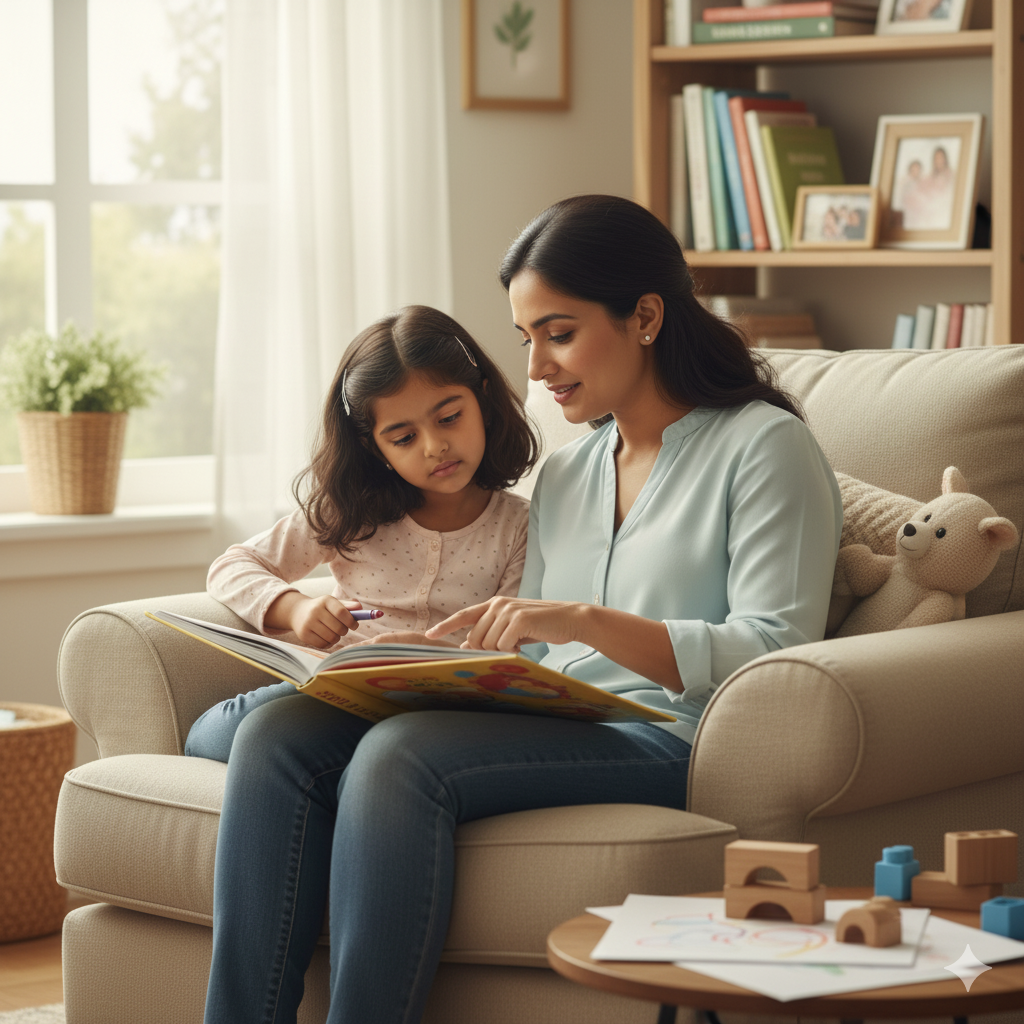
Every child is unique — some burst into a room full of energy, while others quietly observe from the corner. A shy child is not a less capable one; they simply express themselves differently. But in a world that often rewards loud voices and quick answers, parents and teachers sometimes worry that quieter kids might “fall behind.” The truth? With the right support, shy children can thrive — academically, socially, and emotionally.
1. Understand, Don’t Label
The first step is recognizing that shyness is not a flaw — it’s a temperament. Shy children may take longer to warm up in social situations or hesitate to speak in groups. Instead of labeling them as “introverts” or “underconfident,” give them time and space to adjust. Pressure or comparison often backfires, deepening their discomfort.
2. Focus on Strengths, Not Shortcomings
Many shy children are deep thinkers, great listeners, and creative problem-solvers. They observe carefully before participating — a quality that often leads to deep understanding and empathy. Encourage their talents, whether in art, writing, coding, or music. Confidence grows naturally when children are appreciated for what they do best.
3. Encourage Small Social Wins
Pushing a shy child into large, unfamiliar groups can be overwhelming. Instead, start small. Encourage one-on-one playdates or small group activities where they feel safe. Gradually expanding their comfort zone helps them practice communication without fear or pressure.
4. Create Safe Spaces to Speak Up
At school or home, children need environments where they feel heard. Ask open-ended questions and give them time to respond — don’t rush to fill their silences. Teachers can involve them in pair work or classroom roles that let them participate without public speaking pressure.
5. Avoid Comparisons
Nothing hurts a shy child more than being compared to an outgoing peer. Phrases like “Why can’t you be more confident like her?” can cause lasting insecurity. Instead, celebrate small victories: raising a hand once, introducing themselves, or sharing an idea. Progress is progress — no matter the pace.
6. Teach Communication, Not Performance
Confidence isn’t about speaking loudly — it’s about being heard clearly. Role-play social scenarios at home — greeting a friend, asking for help, or sharing opinions. These gentle rehearsals prepare them for real-world situations in a comfortable way.
7. Model Confidence Yourself
Children mirror adult behavior. If parents show confidence, warmth, and empathy in daily interactions, children internalize these qualities. Show them that confidence isn’t about being the loudest — it’s about being comfortable in your own skin.
8. Work with Teachers
A collaborative approach works best. Let teachers know about your child’s nature so they can gently encourage participation without putting them on the spot. Many schools today integrate SEL (Social Emotional Learning) to help students express themselves better.
The Bottom Line
Shyness isn’t something to “fix” — it’s something to understand and nurture. With love, patience, and the right opportunities, shy children can grow into confident communicators and thoughtful leaders. Some of the world’s most influential minds — from scientists to artists — were once quiet kids who simply needed time to blossom.
Parent Takeaway
Don’t rush your child to change their personality. Focus on connection, encouragement, and small moments of courage. The goal isn’t to make them loud — it’s to help them feel seen, valued, and capable in their own quiet way.