
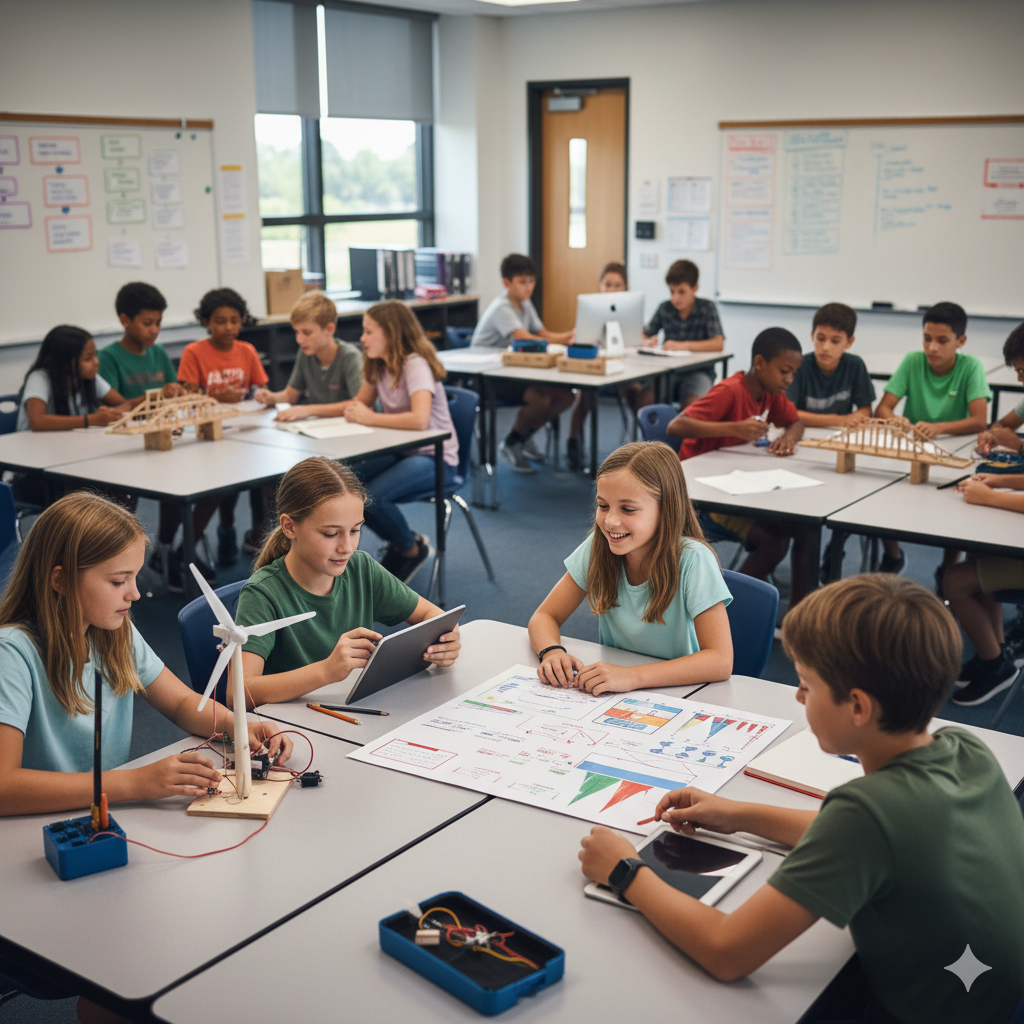
Education today is not about memorizing information — it’s about applying it. As the world evolves, so must the way we teach. One approach that’s transforming classrooms around the world — and increasingly in India — is Project-Based Learning (PBL). It bridges the gap between textbook theory and real-world application, turning students from passive learners into active problem solvers.
1. What Is Project-Based Learning?
Project-Based Learning is an instructional approach where students learn by doing. Instead of listening to lectures and taking notes, they engage in projects that require research, teamwork, and creative thinking. These projects often revolve around solving real-life challenges — from designing eco-friendly houses to developing community improvement ideas.
2. Why It Works So Well
PBL taps into students’ natural curiosity. It encourages critical thinking, collaboration, communication, and creativity — the four C’s of 21st-century learning. By connecting lessons to practical challenges, students retain knowledge longer and gain a deeper understanding of the concepts.
3. Shifting from Rote Learning to Real Learning
Traditional education in India has long emphasized exams and repetition. But the world outside school values innovation and adaptability. Through PBL, students apply math, science, and language arts to create meaningful outcomes — like building a robot, analyzing a social issue, or writing a public awareness campaign.
4. Building Future-Ready Skills
Employers today value problem-solvers who can adapt and collaborate. PBL helps students develop soft skills such as leadership, negotiation, and presentation — all while boosting their confidence. It also nurtures entrepreneurship and civic responsibility from an early age.
5. Teachers Become Mentors
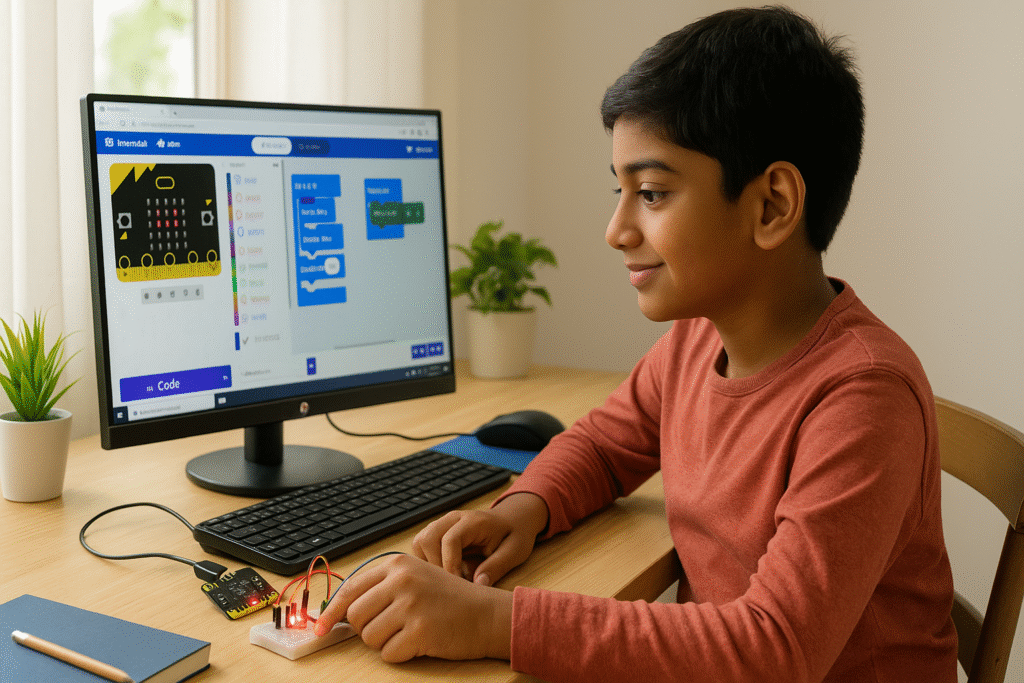
In Project-Based Learning, teachers take on a new role — not as lecturers, but as guides and facilitators. They provide structure, resources, and direction while allowing students the freedom to explore, fail, and try again — a vital part of genuine learning.
6. Success Stories from Indian Classrooms
Across India, forward-thinking schools are already embracing PBL. CBSE’s Skill Hub Initiative and NEP 2020’s emphasis on experiential learning have further encouraged schools to move beyond rote tests. Students are now conducting science exhibitions, community projects, and startup-style challenges that make learning truly exciting.
7. The Parent’s Perspective
Parents, too, are noticing the change. They see their children becoming more confident, articulate, and self-motivated — not just exam-toppers but problem-solvers. Project-Based Learning fosters curiosity that extends beyond the classroom.
The Bottom Line
The world no longer rewards those who simply know — it rewards those who can think, create, and act. Project-Based Learning prepares students for that world. It’s not just a teaching method; it’s a mindset shift that every modern school should embrace.
Parent Takeaway
Ask your child’s school how they integrate hands-on projects into learning. Encourage curiosity at home by supporting creative problem-solving — from DIY experiments to simple research challenges. The future belongs to the learners who build, not just memorize.