
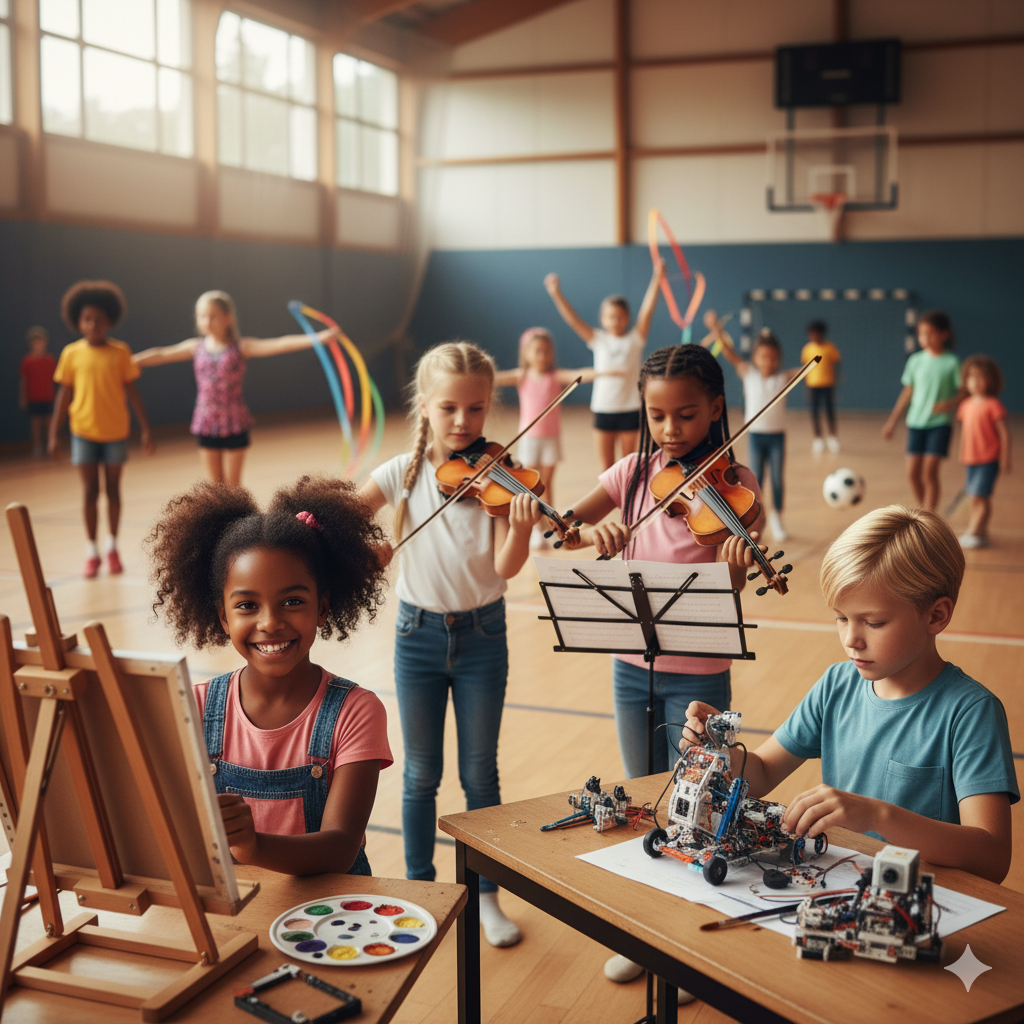
In today’s fast-paced, hyper-connected world, the meaning of “education” extends far beyond textbooks and classrooms. Parents and educators are realizing that the skills shaping a child’s success — creativity, communication, leadership, and resilience — are often nurtured outside traditional academics. That’s why extracurricular activities matter now more than ever.
1. Building Real-World Skills
Academic excellence is important, but it’s only one piece of the puzzle. Extracurricular activities — whether it’s robotics, theatre, sports, or debate — help students develop essential life skills such as teamwork, problem-solving, time management, and adaptability. These are the same traits that future employers and universities look for in well-rounded candidates.
2. Strengthening Mental Health
With rising academic pressure and digital distractions, extracurricular pursuits offer a healthy outlet for expression and stress relief. Physical activities like sports, yoga, or dance help release endorphins and boost confidence, while creative clubs like art or music foster mindfulness and emotional balance.
3. Encouraging Leadership and Initiative
Being part of student councils, social clubs, or volunteering groups teaches young people to take initiative, make decisions, and influence others positively. These early leadership experiences build the foundation for confidence and responsibility — qualities that can’t be taught from a textbook.
4. Enhancing Academic Performance
Contrary to the myth that extracurriculars distract from studies, research shows that active participation can actually improve academic outcomes. Students involved in co-curricular programs tend to have better concentration, discipline, and organizational skills, translating into higher grades and overall academic satisfaction.
5. Creating a Sense of Belonging
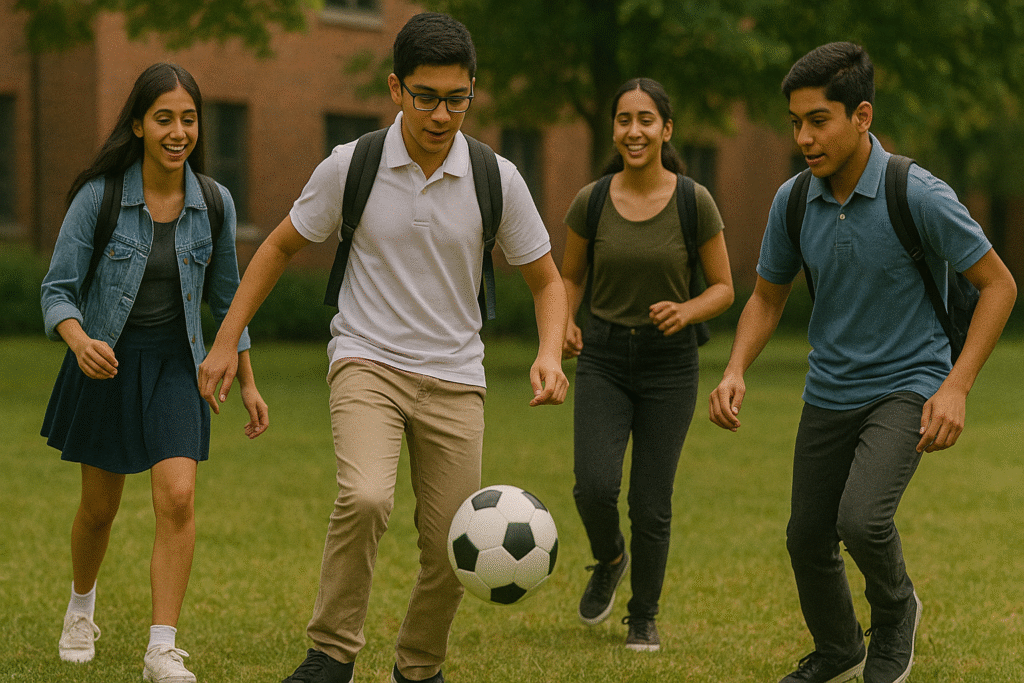
In the post-pandemic era, where screen time often replaces face-to-face interaction, extracurricular clubs help rebuild social connections. Group participation fosters inclusion, friendship, and a sense of community — crucial for emotional well-being and personal growth.
6. Shaping Future Careers
Today’s job market values multi-talented individuals. A student who learned teamwork through football, communication through theatre, and innovation through coding clubs has a clear edge. These experiences often spark passions that guide future academic and career choices.
7. Fostering Empathy and Social Awareness
Community service, environmental projects, or cultural exchange programs nurture empathy, compassion, and civic responsibility. Such experiences help children grow into thoughtful, socially aware global citizens.
The Bottom Line
Extracurricular activities are not “extra” anymore — they’re essential. They transform education into an experience that builds both intellect and character. As schools evolve to prepare students for a changing world, encouraging participation in sports, arts, and community initiatives is not a luxury but a necessity.
Parent Takeaway
Encourage your child to explore, experiment, and engage beyond the classroom. Whether it’s coding, cricket, or community work, every activity contributes to shaping a balanced, confident, and future-ready individual.