
It’s a question that parents often ask when choosing the right school: Does a smaller class size really make a difference? While big schools boast impressive facilities and diverse peer groups, smaller classes promise individual attention and better learning outcomes. But what does the research actually say? Let’s unpack the facts.
1. The Idea Behind Small Classrooms
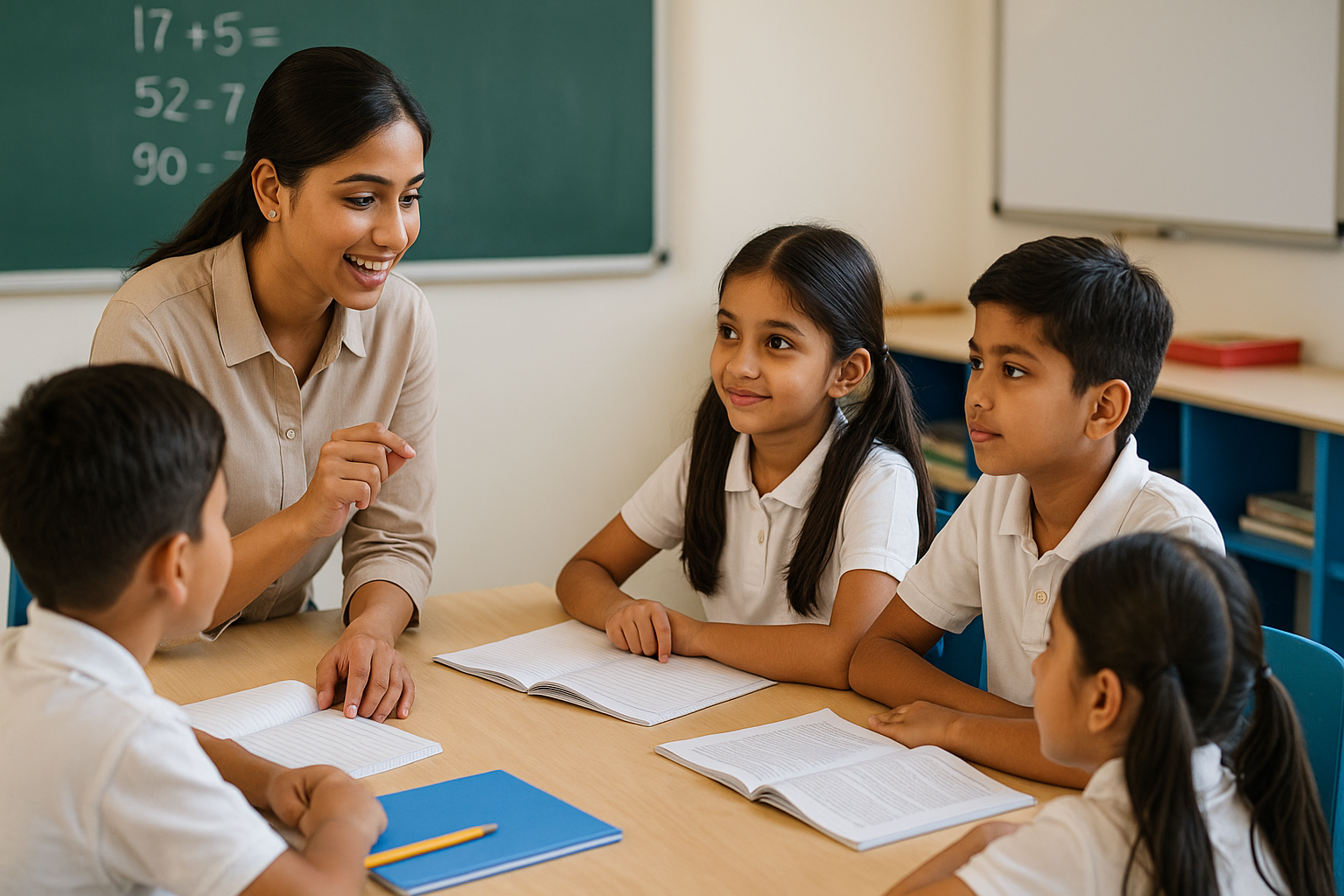
The belief is simple — fewer students mean more attention from the teacher. In a smaller class (typically 20–25 students), teachers can better understand each child’s strengths and weaknesses, tailor their teaching methods, and engage in meaningful one-on-one interactions.
2. What Research Shows
Studies across the world, including the famous Tennessee STAR project, have consistently shown that students in smaller classes perform better in early grades. They exhibit improved test scores, stronger engagement, and better social behavior. These effects are even more pronounced for younger children and those who need extra academic support.
3. Teacher’s Perspective
Teachers often say that smaller classes allow them to teach, not just manage. They can use creative methods, spend time on discussions, and provide detailed feedback on assignments. Classroom discipline also tends to be easier when teachers know every student personally.
4. The Social Side of Learning
However, experts caution that smaller doesn’t always mean better. Learning is also social. Larger classrooms expose students to diverse peers, group activities, and healthy competition — essential for developing communication, teamwork, and emotional intelligence. The key is finding the right balance.
5. Quality of Teaching Matters More
Education researchers agree on one point: the quality of teaching outweighs class size. A skilled teacher in a moderately sized class can often achieve better outcomes than an undertrained teacher in a smaller one. Investing in teacher development and classroom technology is equally crucial.
6. What Indian Schools Are Doing
Premium Indian schools are increasingly capping class sizes between 25 and 30 students to ensure personal attention without compromising diversity. International boards like IB and Cambridge also emphasize small-group learning, project work, and mentorship to replace lecture-style teaching.
7. Parents’ Role in the Equation
Even in larger schools, parents can support learning by maintaining open communication with teachers and monitoring their child’s participation. What truly matters is whether the school culture encourages engagement, feedback, and emotional safety.
The Bottom Line
Smaller classes can indeed enhance learning — but they’re not a magic formula. The real difference comes from how teachers use that intimacy to inspire curiosity, confidence, and critical thinking. A classroom with care, energy, and engagement — regardless of size — is where real education happens.
Parent Takeaway
When evaluating schools, don’t just count the students — look for connection. Visit classrooms, observe teacher-student interaction, and ask how teachers personalize learning. The best education happens when every child feels seen, heard, and challenged — whether in a class of 15 or 35.