
Let me tell you a quick story.
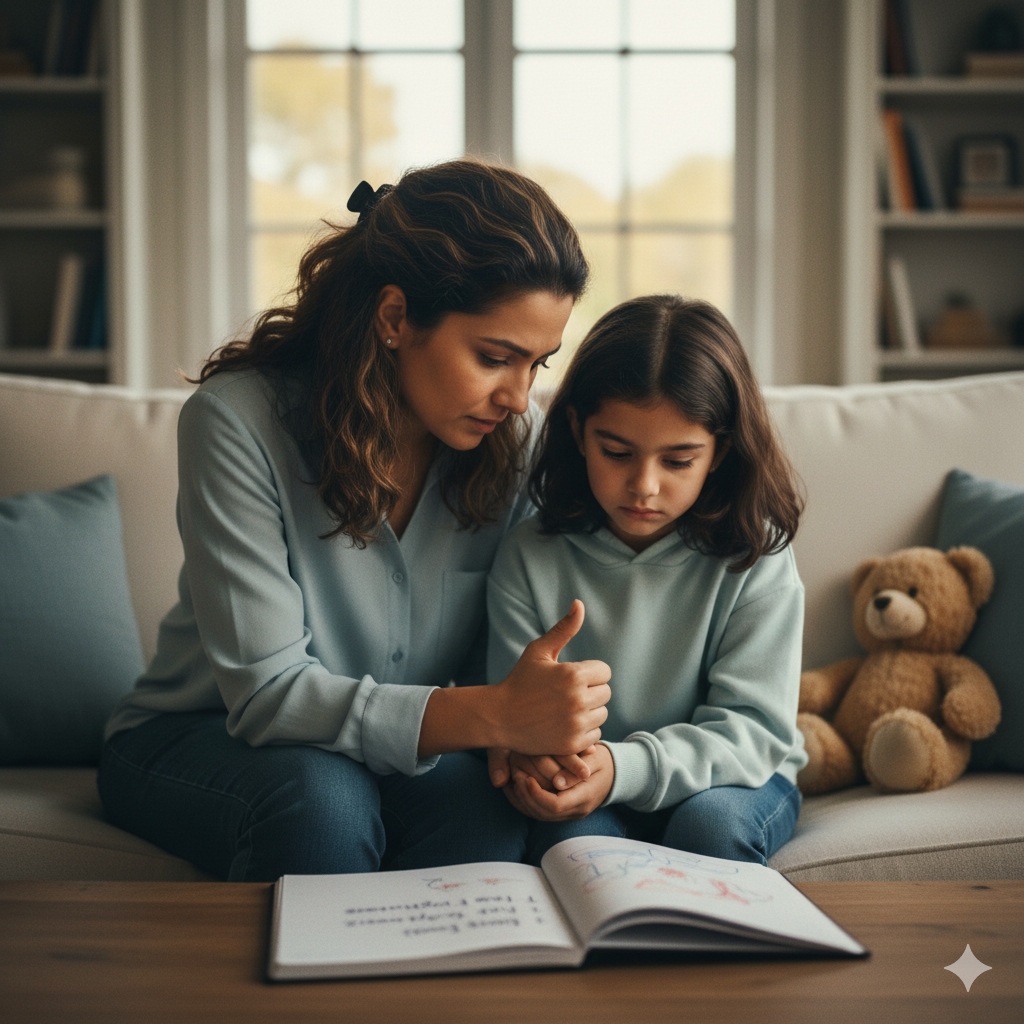
Last year, a close friend noticed her usually chatty 10-year-old daughter had turned quiet. No jokes, no humming while doing homework, just long silences. She thought, “Maybe it’s a phase.” Weeks later, her daughter burst into tears, saying she felt invisible at school.
That moment changed everything for my friend. She realized how easy it is to miss the quiet cries for help that kids give when they’re hurting.
If you’ve ever wondered how to ensure your kid is not depressed, you’re not alone. Every parent worries about their child’s happiness, but spotting depression early—and knowing what to do next—can make all the difference.
🧩 Signs of Depression in Kids
Here’s the tricky thing: kids rarely say “I’m depressed.” Instead, their emotions show up in disguise.
Look out for these signs:
- Mood swings – They’re irritable one day, withdrawn the next.
- Loss of interest – Their favorite game or TV show suddenly doesn’t excite them.
- Changes in eating or sleep – Too much or too little of both.
- Drop in grades or focus – It’s not laziness; sometimes it’s emotional exhaustion.
- Unexplained aches – Headaches or tummy aches that doctors can’t explain.
If you notice several of these, it’s not overreacting—it’s being observant. Kids often express emotional pain through behavior before words.
🎒 Effects of Depression on Life and Academics
Today’s kids face pressures we didn’t: school performance, social media comparisons, peer approval—it’s a lot.
When depression sets in, it quietly starts to drain their energy and joy.
Here’s what can happen:
- Academic decline: Homework feels impossible. Even small assignments overwhelm them.
- Social withdrawal: They avoid friends and group activities.
- Confidence crash: They start believing they’re “not good enough.”
- Physical health impact: Poor sleep, constant fatigue, or frequent colds.
It’s heartbreaking because it can become a loop—bad grades cause guilt, guilt worsens sadness, sadness leads to isolation. Breaking that cycle early is crucial.
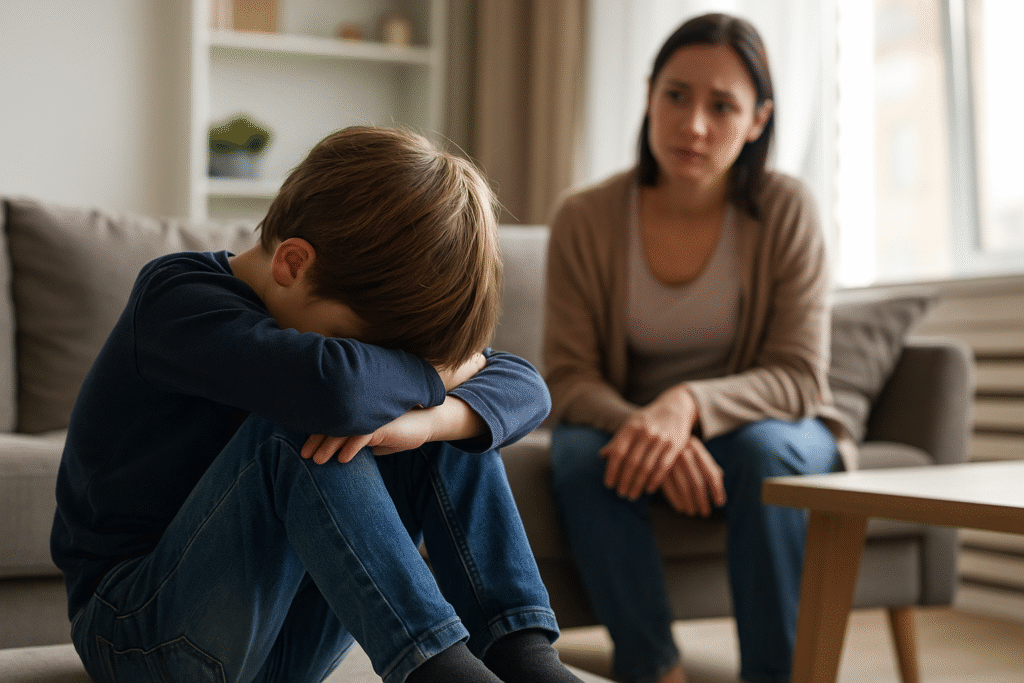
💬 How to Talk to Your Kid About It
So you’ve noticed the signs. Now what?
Many parents freeze, unsure how to begin that conversation. You don’t need perfect words—just genuine presence.
Try these simple, loving approaches:
- Choose the right moment. Talk during a car ride or bedtime, not when they’re distracted.
- Ask open questions. “What’s been on your mind lately?” invites honesty more than “Why are you sad?”
- Just listen. Resist the urge to fix everything in the first minute.
- Validate their feelings. Avoid “You’ll be fine.” Instead say, “That sounds tough, I get it.”
- Share your own moments. When you tell them you’ve felt down sometimes, it normalizes emotions.
You’re not expected to have all the answers. What matters is they know you’re their safe place to land.
🌱 Effective Ways to Help Kids Overcome Depression & Anxiety
Once your child feels heard, healing can begin. Here are some practical steps that actually work:
1. Move the body, free the mind
Encourage daily play or physical activity. Movement releases “happy hormones” that naturally lift mood.
2. Limit screens, increase sunshine
Too much scrolling fuels comparison and loneliness. Replace some screen time with outdoor fun or creative hobbies.
3. Build gentle routines
Consistency gives kids a sense of control. Morning check-ins, journaling before bed, or even “family game night Fridays” can help.
4. Seek professional help when needed
Therapy isn’t a sign of failure—it’s an act of love. A counselor can teach coping tools parents might not know.
5. Reconnect socially
Encourage group activities, hobby classes, or volunteering. Belonging heals faster than isolation ever could.
And here’s a secret: kids mirror our energy. When you slow down, listen, and laugh more, you give them silent permission to feel safe again.
❤️ Final Thoughts
Parenting doesn’t come with a manual, does it? You’ll stumble, guess, and sometimes overthink—but that’s what caring looks like.
If you’re reading this, you already care enough to ask: “How can I make sure my kid isn’t depressed?”
And that’s half the journey right there.
Remember: your child doesn’t need a superhero. They need you—a curious, patient, loving parent who’s willing to learn, listen, and show up.
🏫 Campus Saga – Your Partner in Raising Happier, Healthier Kids
At Campus Saga, we believe education isn’t just about grades—it’s about raising emotionally strong, confident children.
Here’s how we help parents like you:
- 🎓 Discover the best schools and preschools tailored to your child’s personality.
- 💬 Read real parent reviews before you decide.
- 💡 Get expert parenting tips and guides like this one, designed to support both learning and emotional well-being.
👉 Visit Campus Saga today and explore resources that help you raise not just smarter kids—but happier ones too.
Because every great education begins with a child who feels seen, supported, and safe.